
Our specialists can train your in-house team to operate software for your sales performance management and financial planning needs. We can also help your organization with any future changes, updates, or problems by putting in place professional software implementation services. Bottom-up budget justification is a process in which department heads work their way up from the project level to develop a final budget. It starts by estimating the costs of specific projects within the department and adding them together to come up with the total estimated cost.
Detailed input from those directly involved with operations
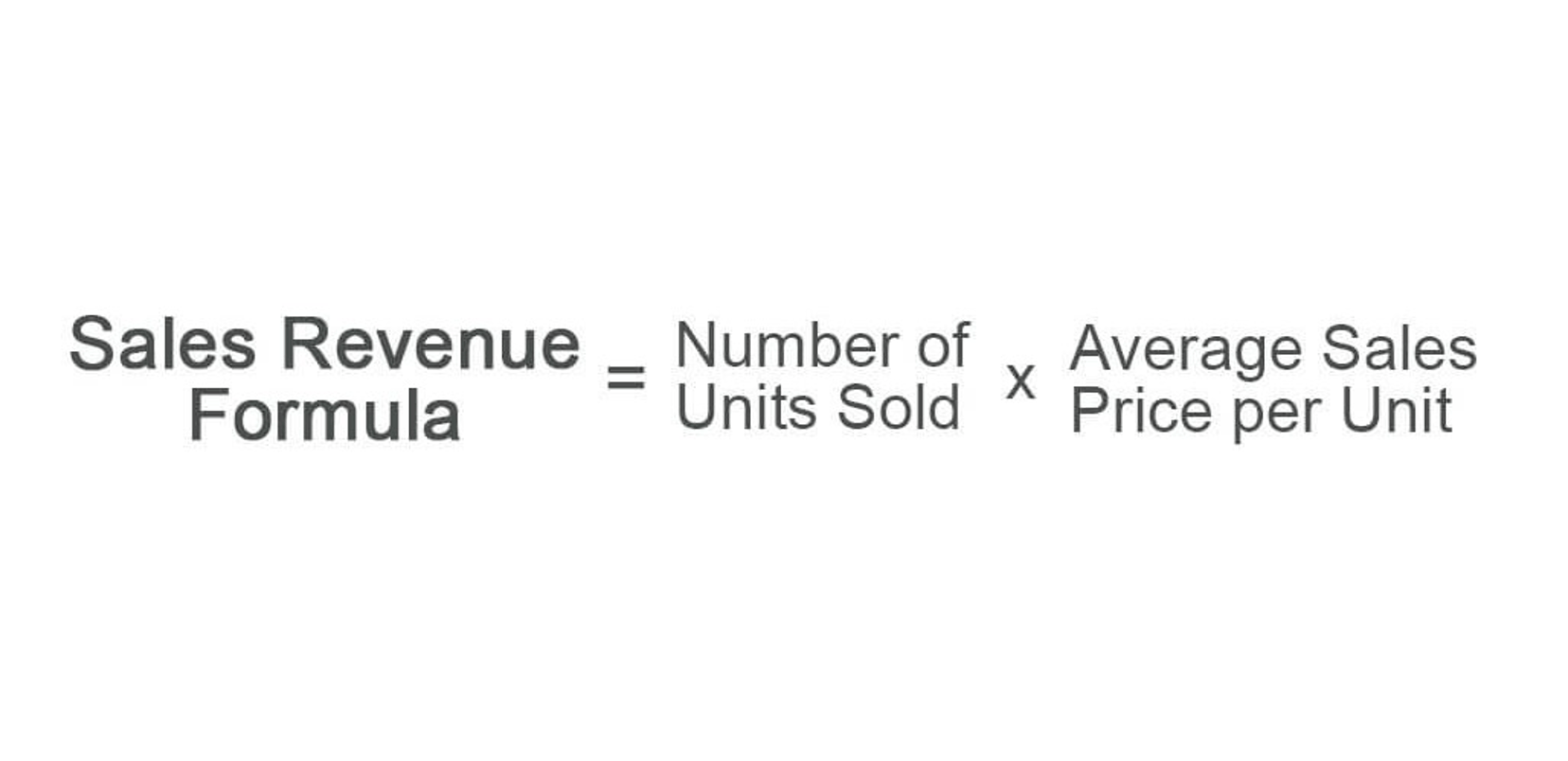
In other words, the budget will have a collective thought process that details the day-to-day choices available for an organization to create a realistic PNL for different departments. Businesses should use a top-down budgeting strategy when executive leaders have an intimate knowledge of each department’s needs. This departmental knowledge should create budget constraints that do not impede the business’s day-to-day operation.
Top-down vs. bottom-up budgeting: Choose the best strategy for your business
- C-Level executives or managers will have a different level of pre-approved spend from other staff.
- This approach focuses on detailed input from lower management, emphasizing accuracy and accountability.
- Let’s examine the pros and cons of top-down budgeting to determine whether it’s suitable for your company.
- Imagine a company implementing bottom-up budgeting for the first time.
- Each department needs to gather detailed data, analyze needs, and forecast expenses, which can extend the budgeting cycle by several weeks.
- Bottom-up estimating is a technique that involves estimations on a granular level for parts of a project.
- This method fosters a sense of ownership among employees, as they contribute directly to the budgeting process, enhancing motivation and engagement.
List which assumptions and factors you considered during budget planning, such as revenue and growth projections, inflation rates, market trends, or regulatory changes. If departmental goals and strategies don’t align with overarching company goals, there’s a risk of strategic misalignment. For bottom-up budgeting to work, companies need exemplary guidelines, workflows, and communication to navigate the budgeting process. The top-down approach is also better for companies that need to respond quickly to changes in a dynamic business environment, and management doesn’t have time to get input from many stakeholders. Since each department budget is effectively created in isolation, the budget itself may not be in line with other department heads and overall company goals. We encourage you to try bottom-up budgeting in your business and see the difference it can make.

When to use each approach
- These include increased employee engagement, improved accuracy in budgeting, enhanced accountability, and a better understanding of the financial implications of operational decisions.
- You should also time your budget process with other key initiatives, like strategic planning.
- This encourages strategic thinking and development, which is important for achievement.
- This ultimately results in a consolidated budget that reflects the unique realities of each part of the business.
- Once approved, upper management or executive management analyzes budgets, ensuring they align with company goals.
- They ensure that the final budget aligns with the company objectives and financial period goals.
You should also collect and analyze the feedback and the lessons learned from the budgeting process, and identify top-down vs bottom-up budgeting the strengths and the weaknesses of the approach. You should also implement and test any changes or improvements that can enhance the efficiency and the effectiveness of bottom-up budgeting. Before starting the bottom-up budgeting process, you should have a clear vision of what you want to achieve and how you want to measure it.

Amazon Leadership Principles for Success in Business
As discussed, bottom-up budgeting relies on each department manager taking ownership of their own spending. But to remain in control, senior leadership will use budgeting software and technology to oversee progress and limits. Ownership and decision-making lives with budget managers, petty cash but finance teams have budgetary control. Companies that switch to bottom-up approach gain better control, improve spending decisions, and stay flexible as business conditions change.
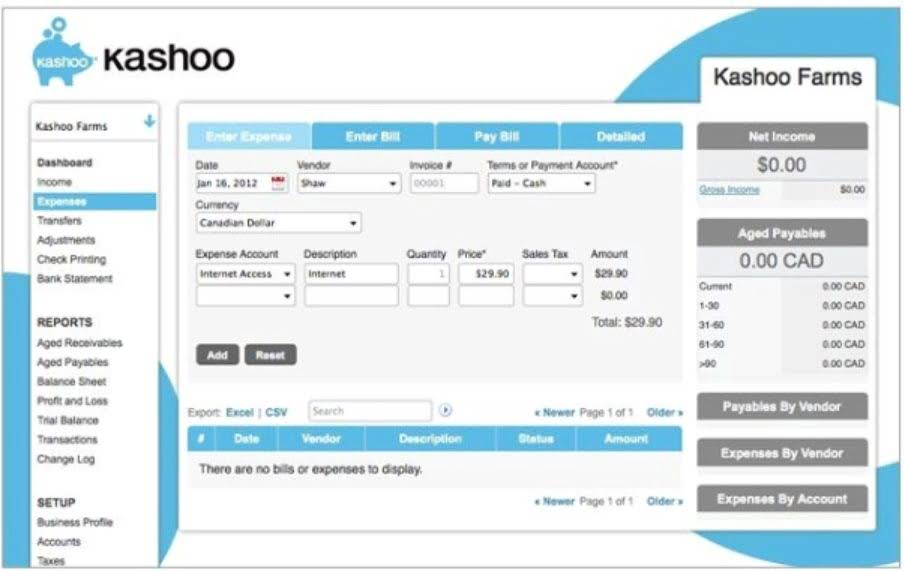
- As a Budget Analyst, you are tasked with overseeing this multi-layered process and harmonizing disparate data sources.
- While this methodology has many advantages, it also has some drawbacks.
- Whether you’re a sole proprietor starting a brand-new business, or an international business with locations worldwide, creating a budget is a necessity.
- Careful oversight and communication are necessary to ensure that departmental budgets support the broader company objectives.
- Disconnected systems reduce your efficiency levels, making it difficult for the Office of Finance to quickly uncover key metrics and insights about your personnel resources.
This method fosters a sense of ownership among employees, as they contribute directly to the budgeting process, enhancing motivation and engagement. Both budgeting methods require a degree of financial oversight to maintain realistic and achievable budgets. In top-down budgeting, the finance department reviews the budgets allocated by senior management to ensure they meet strategic objectives. This oversight helps maintain control over spending and ensures resources are used effectively. In bottom-up budgeting, individual departmental budgets are aggregated and reviewed by upper management.
To address the limitations of each approach, many organizations adopt a hybrid approach. Cash Flow Statement To better understand when and how to apply top down budgeting, let’s weigh its key benefits and potential drawbacks. Promotes open communication as departments actively collaborate, improving alignment and understanding. It’s based largely on high-level objectives and broad company strategies. For it to succeed, bottom-up budgeting must be a company-wide effort involving even lower-level staff.
Leave a Reply